
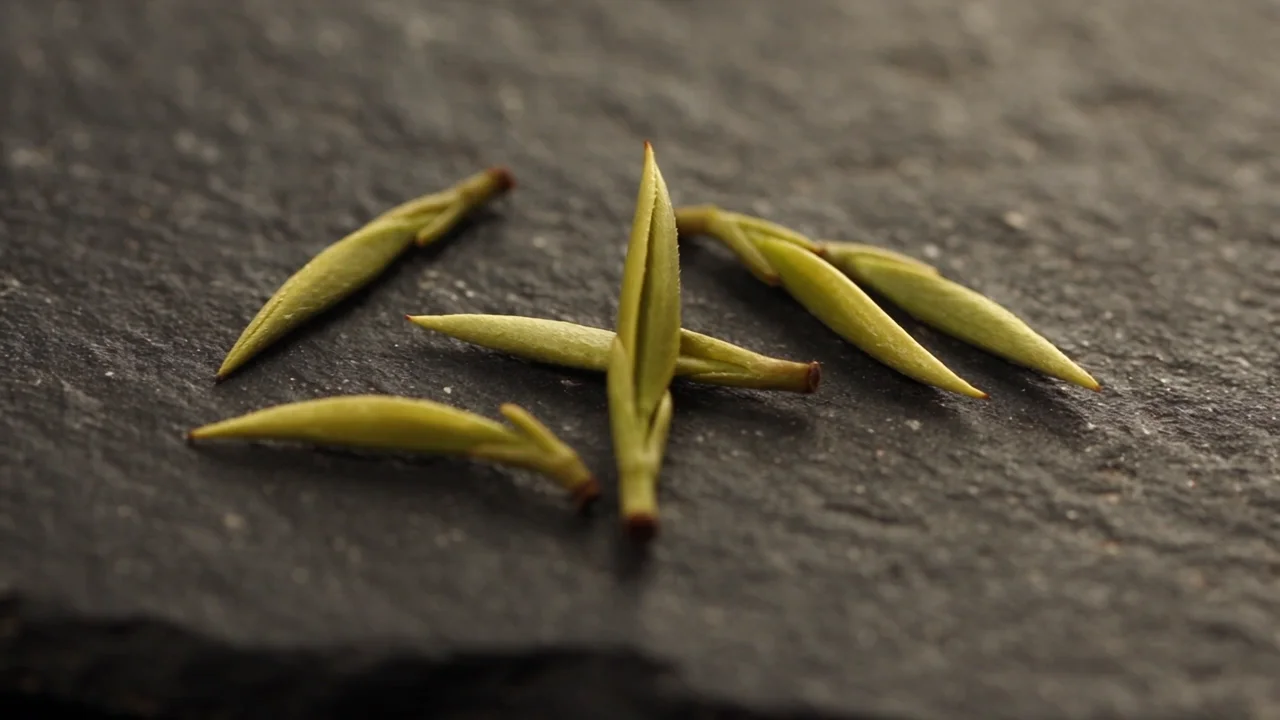

The Aged Tea White Paper · Testimony of Time / Chapter 12 · CH.12
Awakening the Tea, and Brewing
An aged tea is a sleeping tea; to pour it straight is to waste it. Dry awakening and wet awakening, boiling water and the Yixing pot — Chapter 12 of the Aged Tea White Paper, on how to wake an aged tea.
An aged tea is a sleeping tea. To pour it straight is to waste it. To wake it first — that is respect.
1. Why the Tea Must Wake
An aged tea has lain in a warehouse for a decade or more, the leaves pressed hard together, its aromatic material half asleep. Break off a piece and pour, and the first infusion is often thin — the flavor only begins to rise with the second. The tea is not bad. It has not woken.
Awakening is the process of bringing a tea from sleep back to the drinking state. It runs in two steps: dry awakening and wet awakening. Dry awakening is the long call; wet awakening is the quick activation. Together they let an aged tea open completely.
The principle is simple: let the leaf meet the air, let the pressed structure loosen, let the warehouse flavor that clings to it disperse, let the sleeping aromatic molecules come alive again. The process cannot be hurried — you may be in a hurry; the tea is not.
2. Dry Awakening: A Rehearsal of Time
Dry awakening is breaking the cake open, letting the leaf wake slowly in the air.
The method is plain: pry the cake apart and spread the leaf on clean, dry, ventilated, odor-free paper or a bamboo tray. Keep it out of the light — no direct sun, no damp corners. The time depends on the tea: a clean dry-stored tea needs two to three days; one carrying heavy warehouse flavor may need one to two weeks.
After spreading, gather the tea into a Yixing (zisha) jar or an earthen pot and let it rest there from a week to a month. Zisha breathes but does not leak, letting the leaf finish its last waking in a stable little climate. At this stage the tea's scent begins to rise from the jar's mouth — the tea telling you it is ready.
- Spreading Pried apart, laid in a dry, ventilated, odor-free place out of the light; clean aged teas 2–3 days, heavier warehouse flavor 1–2 weeks.
- Jar rest Into a zisha or earthen jar, one week to one month.
- The test When the tea's scent rises from the jar's mouth, the rest is done.
The essence of dry awakening is rewinding the warehouse's time — letting the leaf pass through one slow oxidation again, releasing what the pressed state had locked away.
Awakening teaches the tea to breathe again.
Brewing lets it begin to speak.
3. Wet Awakening: The Boiling Water
Wet awakening is the last step before brewing — also called "moistening the tea" or "rinsing the tea".
The method is minimal: put the leaf in the pot, pour in boiling water at 100 degrees, and pour it out at once. Three to five seconds, never longer. This infusion is not drunk. It is only for waking.
Wet awakening does three things: the boiling heat switches on the aromatic material at the leaf's surface; the rinse lifts away the fine dust of storage; the pressed leaf begins to open, readying itself for the proper brew.
For dense dark teas and compressed aged white tea, wet awakening matters most. Some old teas need it twice — three seconds the first time, five the second — and only the third infusion is the true drinking.
- Water 100°C boiling; aged teas and coarse material must be woken at high heat.
- Time 3–5 seconds, poured out at once, not drunk.
- Rounds Generally once; dense structure or heavy warehouse flavor may take two.
4. The Vessel and the Measure
Brewing aged tea, both vessel and measure have their rules.
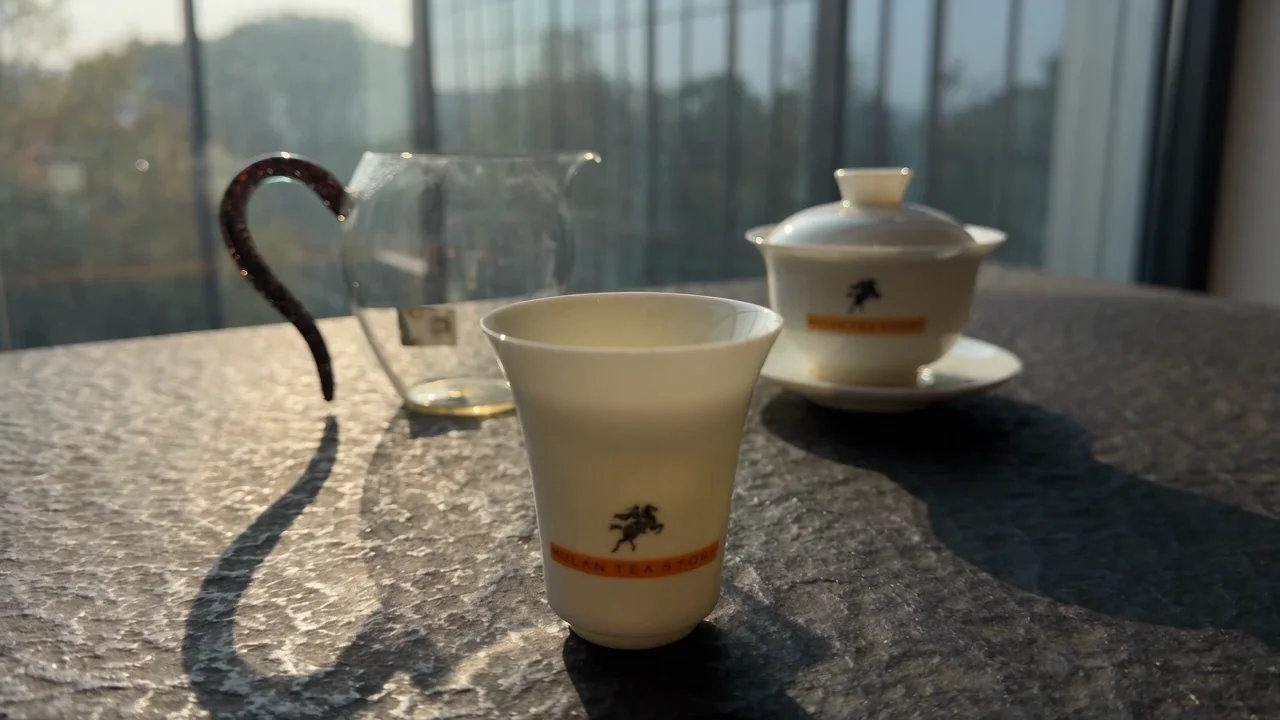
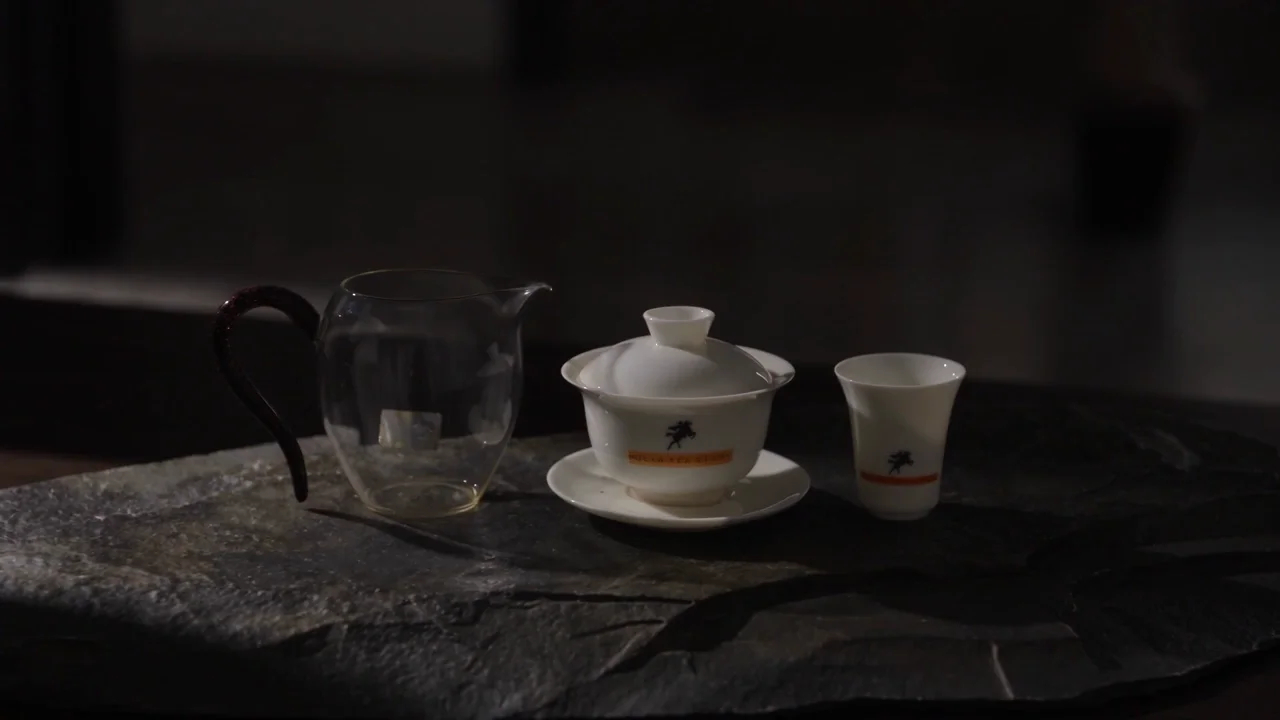
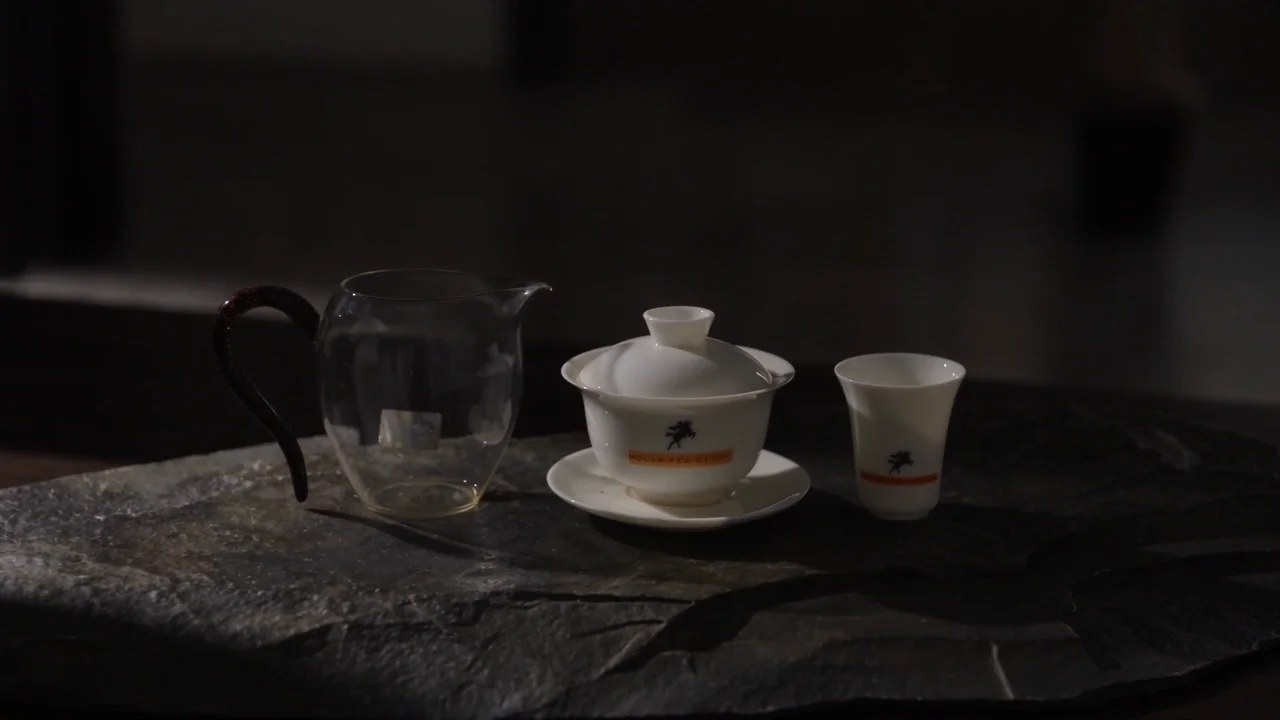
For the vessel, the Yixing pot comes first. Zisha breathes and holds heat, steadying the water temperature so the tea's substance releases evenly. Choose a small pot, not a large one: a pot of about 150 ml with 7 to 8 grams of leaf is the classic ratio. A gaiwan serves too — it sheds heat faster and the liquor runs a little thinner, but it shows the color of the liquor and the spent leaf best.
The measure means water and time. An aged tea must have boiling water at 100 degrees; below that, no aged rhyme appears. Pouring times run from short to long: about 10 seconds the first infusion, 15 the second, 20 the third, adding 5 to 10 seconds each round after. Aged tea endures; a good one will give a dozen infusions, the last waters still sweet and smooth.
Leaf measure follows the vessel: 5 to 7 grams for a 110 ml gaiwan, 7 to 8 grams for a 150 ml Yixing pot. Do not brew aged tea too strong — strength buries the layers. Nor too weak — weakness wastes the years.
- Vessel For ripe and aged teas the Yixing pot — it breathes and holds heat; the gaiwan sheds heat fast, best for reading the liquor.
- Water 100°C boiling; below it, no aged rhyme.
- Leaf 5–7 g in a 110 ml gaiwan; 7–8 g in a 150 ml Yixing pot.
- Pouring About 10 seconds the first infusion, adding 5–10 seconds per round; a dozen infusions possible.
5. Brewing Is a Discipline
In the end, what one brews is one's own temper.
When you are impatient, the tea is astringent; when you are steady, the tea is mellow. The aged tea unfurls slowly in the pot, like an elder opening up to talk. You cannot rush it; you cannot interrogate it. You can only wait, while it tells you the story of its decades, one infusion at a time.
This is why the aged-tea drinkers brew in silence. Not posing at depth — they know the tea is speaking, and a person must listen. The whole ritual of awakening and brewing is, at bottom, a posture of listening: only when you bend down will the tea lift its head.
TO TASTE · A cup from the same source
Mulan Objects · Gaiwan and Pot
Waking an aged tea begins with the right vessel. Mulan Objects, made for tea inside time.
See Mulan Objects ↗THE WHITE PAPER OF AGED TEA
The Aged Tea White Paper · Chapters
Twelve chapters and an epilogue, taking aged tea apart — where it comes from, how it transforms, what it is worth, how the true is told from the false.