
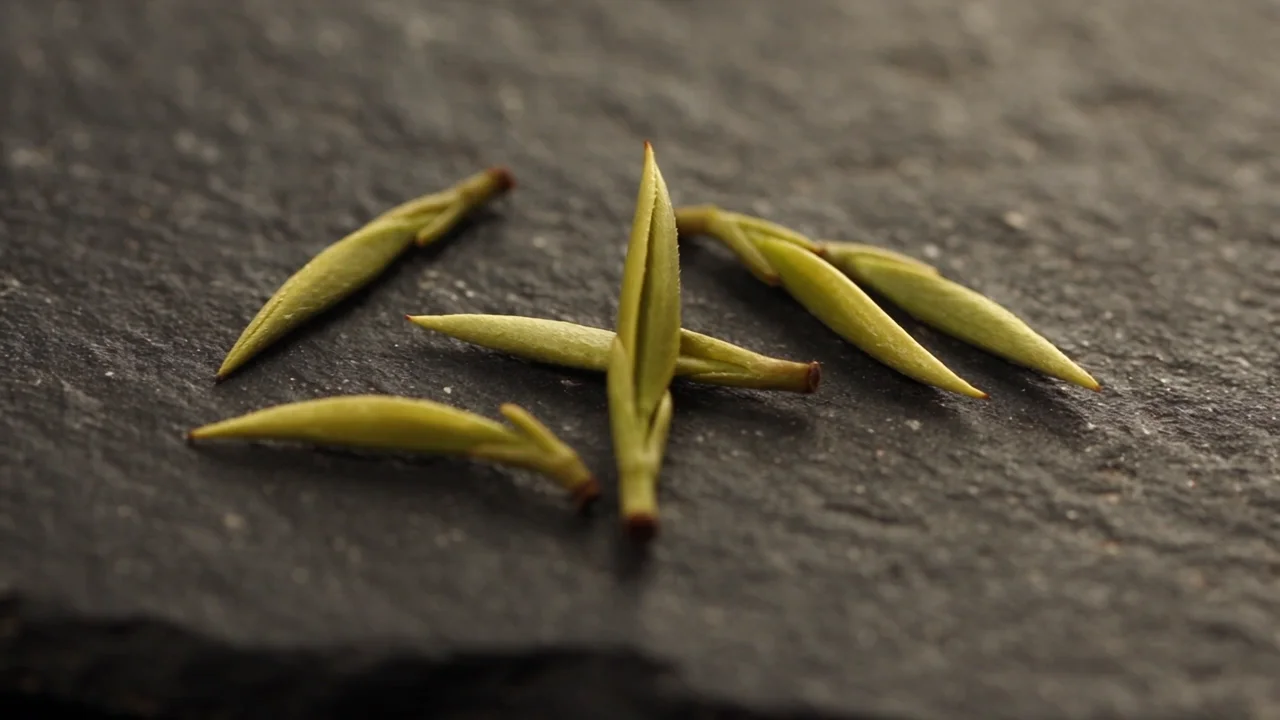

The Aged Tea White Paper · Testimony of Time / Chapter 1 · CH.01
What Is Aged Tea
How old must a tea be to be called aged? Ten years for Pu-erh, three for white tea, five for aged Tieguanyin — there is no single national standard, but there is a clear boundary. Chapter 1 of the Aged Tea White Paper: the definition, the vintage thresholds, and which teas deserve time.
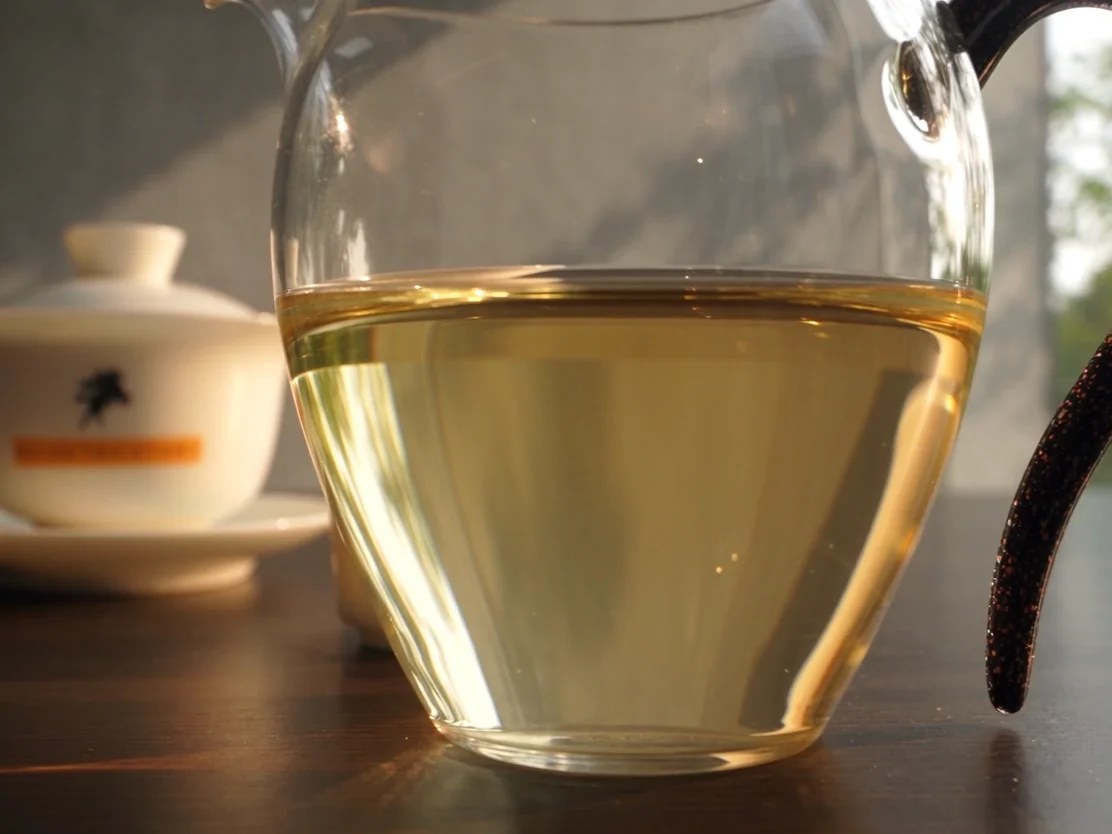
Aged tea is not a kind of tea. It is a fate that tea can meet. Leaves from the same mountain, drunk the year they are made, hold one flavor; put into time, they hold another.
1. No National Standard for Aged Tea
Search the current national tea standards and you will not find a definition of the words "aged tea". National standards draw the boundaries of tea categories — green, black, white and dark teas each carry a standard number — but they never draw a boundary for time.
This is not an oversight. Tea is an agricultural product; a standard's duty is to guarantee safety and quality at the moment it leaves the factory. Aged tea is what happens after the factory — a thing completed by warehouse, climate and years together. No national standard means that, to this day, "aged" is a market consensus, not an administrative license.
The consensus runs roughly like this: for Pu-erh and dark teas, about ten years and above may be called aged; for white tea, three years and above shows the first aged rhyme; among roasted oolongs, the one aged category formally recognized by national standards is aged-aroma Tieguanyin — stored five years or more before it may take the name.
So before we talk about aged tea, accept one thing: its threshold does not live in documents. It lives in time.
2. The Three Thresholds of Age
Different teas move toward "old" at different speeds. The thresholds are not trade rules set by anyone; they are the lines that each tea's pace of transformation draws on the palate.
- Pu-erh and dark tea About ten years to start. Raw Pu-erh spends its first decade shedding its green astringency; only after ten years does it enter the hall of aged aroma. Past twenty years, the market begins to call it "aged tea" rather than merely "old stock".
- White tea Three years is one gate. The national standard for white tea (GB/T 22291), revised in 2017, states the product may be stored long term — the written basis for aging white tea. The folk saying is blunter: one year a tea, three years a medicine, seven years a treasure.
- Aged-aroma Tieguanyin Five years. The 2016 revision of the national standard "Product of geographical indication — Anxi Tieguanyin" formally added the aged-aroma type, requiring raw Tieguanyin tea as the material and five years of storage or more. This was the first time "aged tea" was written into the clauses of a national standard.
Behind all three thresholds runs one rule: a tea that can age is a tea that transforms slowly. Slowness is its passport through time.
The threshold of aged tea
is not a number of years. It is the direction of change.
3. Which Teas Deserve Time
Not every tea can grow old. Whether it can was decided at the moment of its making.
Green tea cannot. Its kill-green step uses high heat to deactivate the polyphenol oxidase, nailing the fresh leaf to the state of that day. This is the source of green tea's brightness — and the root of its short life: the enzyme is gone, and all that remains is oxidation, which for green tea means decline. A year on, the color has dulled and the freshness has scattered; we do not call it aged green tea, we call it stale green tea. One character apart — one an asset, one a loss.
The teas that can age all leave a door open for time in their craft. Raw Pu-erh is sun-dried — the temperature of sun drying cannot kill every enzyme, and the microorganisms survive, so that after pressing, transformation is only beginning. White tea is neither pan-fired nor rolled; withering and drying are kept to the extreme of restraint, and the living material is kept almost whole. Roasted oolongs fire the moisture down to the lowest point; rock tea and aged Tieguanyin transform slowly in the alternation of fire and time. The dark teas — Liubao, Anhua dark tea — keep post-fermenting after the wet piling, exported to the frontiers for a century, growing mellower the longer they sit.
- Can age Post-fermenting teas — raw and ripe Pu-erh, Liubao, Anhua dark tea; white tea; traditionally roasted rock tea and Tieguanyin.
- Cannot hold Green tea, yellow tea, fresh-aroma oolongs, and the new-process scented flower teas. Their worth is freshness; time is their enemy.
So the first lesson of aged tea is not "buy the old one". It is to tell, first, whether the cup in your hand — by its craft — deserves to walk into time.
4. What Aged Tea Is Not
Aged tea is not moldy tea. Mold from a failed warehouse and the aged rhyme of years both smell "old", but one is rot and the other is evolution. However deep its color, the liquor of aged tea must stay clear; however old the leaf, it must stay soft, bright and elastic. Carbonized, blackened, crumbling at a pinch — that is dead tea, not aged tea.
Aged tea is not faked tea either. High-heat wetting, cave storage to speed the mold — three months to dress a tea as "five years aged". While that trade exists, the word "aged" must be taken seriously for one more day. How to tell them apart this white paper saves for Chapter 11; here we set one master rule: time can transform tea; it cannot rush tea. Every shortcut "aged" leaves its confession in the liquor, the aroma and the leaf.
Nor is aged tea simply "the older, the better". Poor leaf, kept a hundred years, is only old rough leaf. Time magnifies essence; it does not create it.
5. Aged Tea Is a Position
The Chinese cellared wine; so did the Europeans. Humanity has always held a certain reverence for putting living things into time. Tea entered that order only in the last few centuries — but once placed there, it redefined what drinking means: what you drink is not only the leaf, but the road the leaf has walked through the years.
This is why a whole white paper is spent on aged tea. It is common sense, and common sense muddied; it is science, and craft; it is taste, and value. The twelve chapters that follow begin with history, pass through the golden ages of the hao labels and the mark era, the science of transformation, the north and south of storage, the offense and defense of authentication, and return at last to ourselves — to that row of sealed tongs in Mulan Maison.
TO TASTE · A cup from the same source
The Mulan Archive · Fifteen Groves
From Nannuoshan to Laobangyue, fifteen single-grove raw Pu-erh teas — elevation, tree age and batch, recorded item by item. Sun-dried to stay alive; to drink, and to keep.
Visit the Mulan Archive ↗THE WHITE PAPER OF AGED TEA
The Aged Tea White Paper · Chapters
Twelve chapters and an epilogue, taking aged tea apart — where it comes from, how it transforms, what it is worth, how the true is told from the false.