
The Aged Tea White Paper · Testimony of Time / Chapter 10 · CH.10
The Value of Aged Tea
One tong of hao label tea passes ten million HK dollars; one cake of 88 Qing rose from HK$7.8 to hundreds of thousands — what makes the value of aged tea, and why the bubble comes every ten years. Chapter 10 of the Aged Tea White Paper: drinking, collecting and risk.
The value of aged tea was never single. It is a cup of time that can be drunk, an artifact that can be kept — and a mirror that shows human greed back to itself.
1. The Value of Drinking: The Taste of Time
The most basic value of aged tea is drinking.
A thirty-year raw Pu-erh: liquor deep red and luminous, an entry thick as rice water, aged aroma sunk to the back of the throat, returning sweetness rising from the root of the tongue. New tea cannot give this taste; faked-old tea cannot either. It is what microorganisms transformed bit by bit over decades — every sip an unrepeatable slice of time.
The special thing about drinking value is that it does not regenerate. Each cake drunk is one fewer of the hao labels; each tong of 88 Qing opened is one fewer. What you drink is not tea but the recipe of 1975, the leaf of 1988, thirty years of dry storage — conditions that will never gather again.
So the true aged-tea drinkers are restrained about price. They know the most expensive tea, once drunk, is gone; and the cheapest tea, kept wrong, is wasted all the same. The essence of drinking value is paying money for a stretch of time that has already passed.
2. The Value of Collecting: The Scarcity of Evidence
The second value of aged tea is keeping.
What one collects in aged tea is not the tea leaf itself but the evidence. A tong of original century-old Purple Label Fu Yuan Chang, its bamboo wrapping intact, its inner ticket legible — proves that a hundred years ago this merchant house really stood in the town of Yiwu, this batch really existed, this craft really was practiced. That evidentiary value works like painting, porcelain, and old books.
Collecting value stands on two conditions: scarcity, and a system of authentication. The hao label teas are expensive because after the socialist transformation of the 1950s those merchant houses vanished forever — the surviving stock is fixed and shrinking. 88 Qing is expensive because there was only that one batch of 7542 from 1988 to 1992, and only that one Chen Guoyi dry warehouse. The authentication system rests on the inner ticket, the wrapping paper, the printing details, the storage records — the technical base of aged-tea verification.
- Scarcity The hao label houses are gone; surviving stock is fixed and declining. The mark teas and early batch-number teas work the same way.
- Authentication Inner tickets, wrapping paper, printing and storage records form the technical chain of verification.
- Auction benchmarks A tong of century-old Blue Label Song Pin passed HK$10.14 million; an original tong of century-old Purple Label Fu Yuan Chang fell at HK$14 million; at the 2024 spring sales an original tong of century-old Jing Chang Hao fell at HK$8.6 million, and a single cake of Red Label Song Pin broke records at HK$3.5 million.
The paradox of collecting value: the more it is acknowledged, the more it squeezes drinking value. A cake auctioned into the tens of millions is no longer "for drinking" — it is "for proving".
The price of aged tea is half
the interest of time, half the premium of human nature.
3. The Financial Attribute: A High-Risk Game
The third value of aged tea — the most dangerous — is its financial attribute.
In 2007, Pu-erh prices dived from April, falling 20% to 50% across the board, by half at the steepest; the trade estimated about $19.37 billion in market value had evaporated. It was Pu-erh's first great collapse.
In 2021, Dayi's "Cangjie" tong was speculated in the Fangcun market up to $108,262.99 a tong (seven cakes) — futures-style side bets, leveraged pumping, call orders in WeChat groups. The tea was no longer tea; it was a chip. That December, Wu Yuanzhi, founder of the Dayi Group, died, and the myth of financial tea began to fade.
In 2023 and 2024, "financial tea" blew up three times in two years, involving vast sums and heavy losses. Securities Times and other mainstream media reported on it continuously, warning of the risk of the financialization of tea.
- The 2007 collapse Pu-erh prices fell 20–50% across the board, 50% at the steepest; the trade estimated about $19.37 billion evaporated.
- The 2021 speculation Dayi's "Cangjie" tong pumped to $108,262.99 a tong in Fangcun, futures-style side bets; that December, Wu Yuanzhi died.
- 2023–2024 Financial tea blew up three times in two years; Securities Times and other mainstream media warned continuously.
The essence of the financial attribute: the tea's value is abstracted into a symbol, and trading no longer rests on the real demand of drinking and collecting — it rests on the expectation of "the next person who takes the position". That game has no winners, only those who run early and those who run late.
4. The Price Curve of 88 Qing
88 Qing is the best sample through which to watch the change in aged tea's value.
Around 1992, Chen Guoyi bought the whole batch of 7542 at HK$7.8 a cake. In 2013, the signed 88 Qing traded in the market at about $28,490.99 a cake. In twenty years, roughly a 5,000-fold gain. After that it entered the auction rooms, where a single cake has been estimated in the hundreds of thousands of Hong Kong dollars.
The first half of that curve was driven by drinking value — the tea really was good, and each cake drunk was one fewer. The second half mixed in collecting and financial drive — the tea became a symbol, its price cut loose from the anchor of taste. 88 Qing has not collapsed because its storage is real, its quantity fixed, its quality stable. But every "financial tea" that imitated the 88 Qing story has shown its true face in the bubble.
What 88 Qing taught the market is not "store tea and get rich". It is "only real aging has value". Those who tried to duplicate 88 Qing with faking, with storage stories, with futures leverage, all proved the same thing in the end: time cannot be rushed.
5. The Boundaries of Value
To speak of the value of aged tea, draw three lines.
First, drinking value is the foundation. A tea that cannot be drunk, however old, however rare, has lost its meaning as tea. Second, collecting value is an extension of drinking value: the evidence proves "this really is a good tea", not "this really is an expensive tea". Third, the financial attribute is value alienated. When a tea's price has nothing to do with its taste, the risk has already outweighed the chance.
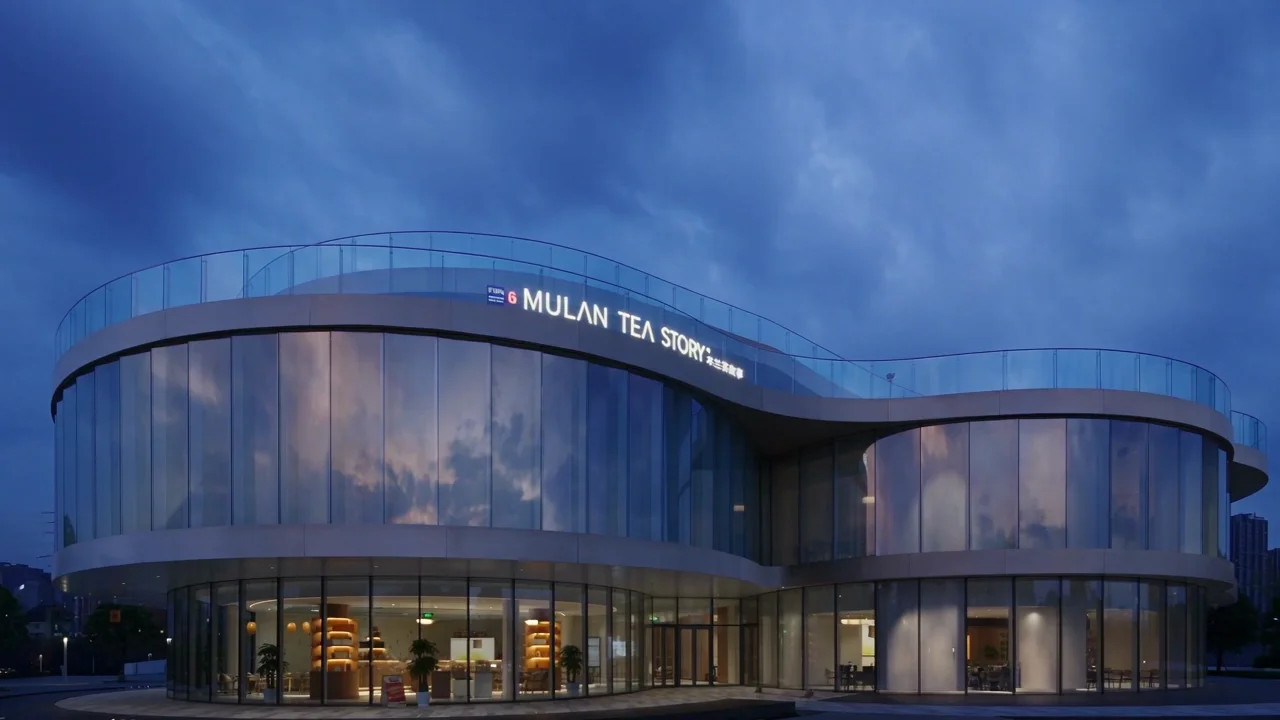
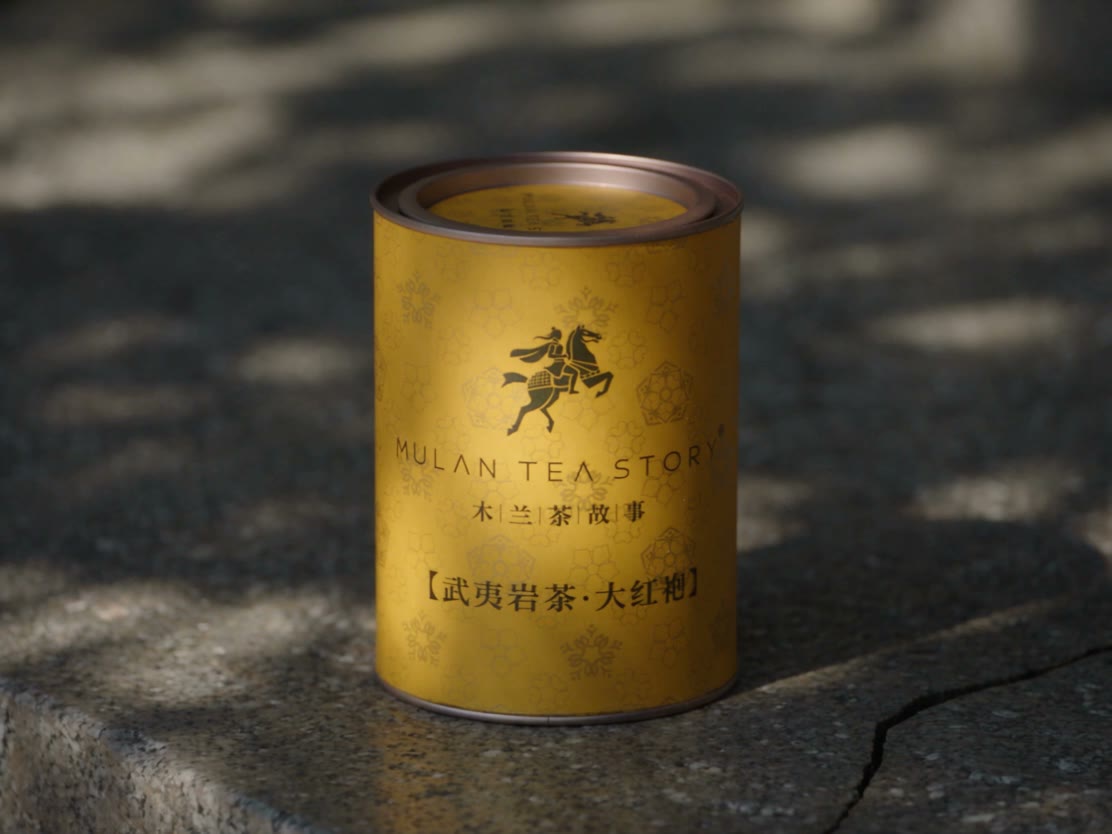
Mulan builds its collection standing inside the first line. We record year, batch, number and provenance so that every batch of tea can be retold by time — not so that it can become a chip for speculation. The value of aged tea returns, in the end, to the cup.
TO TASTE · A cup from the same source
Collection Advisory · Private Consultant
Collecting begins with understanding. Book a Mulan private consultant; put the year, the batch and the storage clearly first — then speak of value.
Book a private consultant ↗THE WHITE PAPER OF AGED TEA
The Aged Tea White Paper · Chapters
Twelve chapters and an epilogue, taking aged tea apart — where it comes from, how it transforms, what it is worth, how the true is told from the false.