
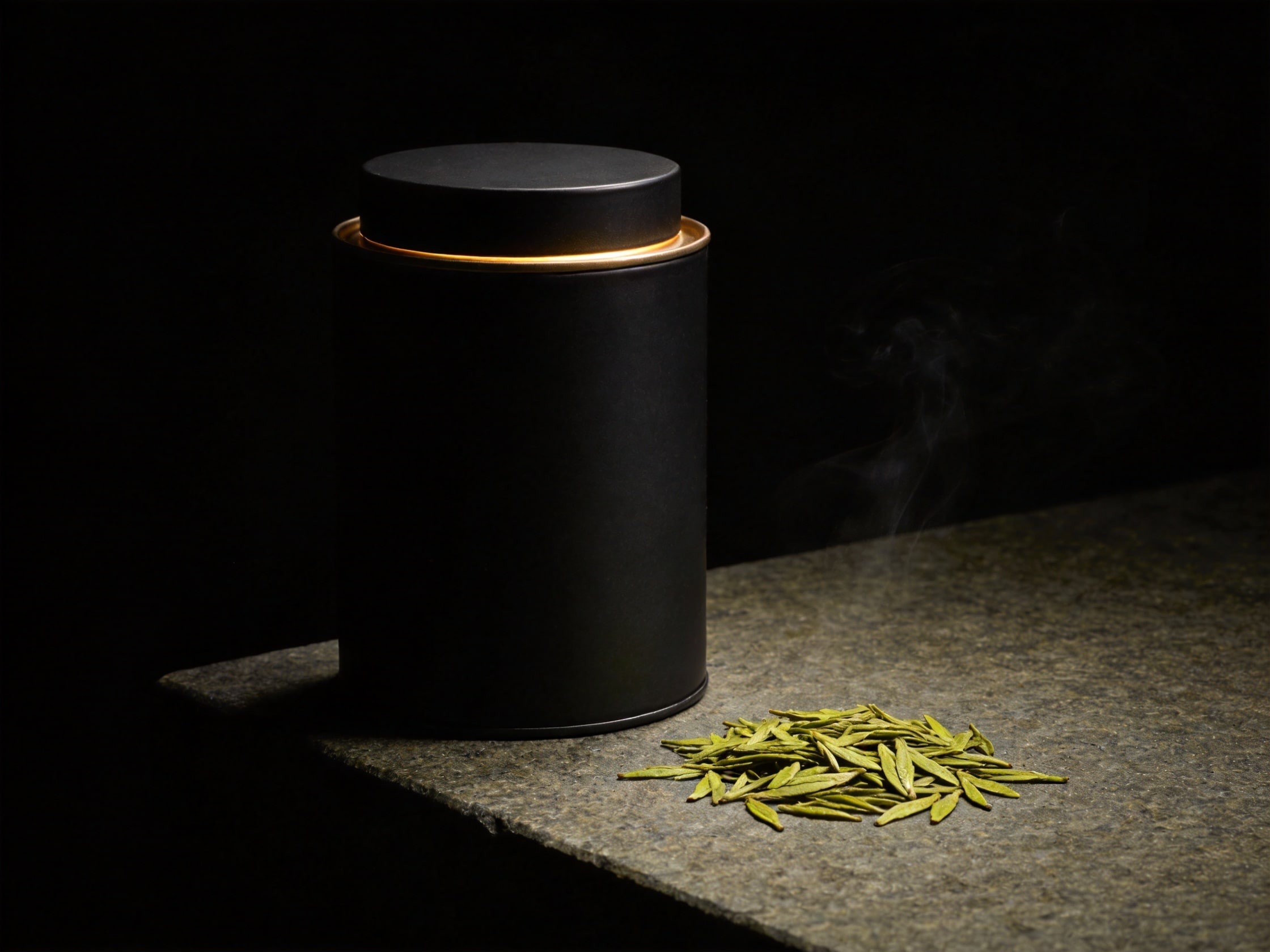
What is worth keeping?
Not because the packaging is heavier, nor because the name sounds more expensive.
Anything truly worth keeping should have a reason that cannot be simply copied.
For tea, that reason begins with time.
A vintage. A piece of land. A picking window. The judgement of a tea maker. And the limited quantity that remains in the end.
This is how we understand MULAN RESERVE.
YEAR Every reserve should know which vintage it comes from.
ORIGIN The land is not background information; it decides where a cup of tea begins.
HARVEST When to pick is often as important as what to pick.
MAKER
Machines can help hold consistency, but at the truly decisive moment it is human experience that sets the measure.
EDITION A reserve does not aim for scale. When the batch is gone, it is gone.
NUMBER
If a work carries its own individual number, what it records is not a game of scarcity but its true place within the batch.
So a MULAN RESERVE should be able to answer:
Where does it come from? Which year? When was it picked? Who made it? How much of this batch remains?
And which number in the batch do you hold?
Together these answers form the identity of a cup of tea.
In the future, we want every work that truly enters MULAN RESERVE
to carry a record of its own.
From land to vintage. From picking to making. From batch to number.
So that a cup of tea knows where it comes from, and the one who keeps it knows which spring they have kept.
What is kept is not a tin of tea.
It is a span of time that cannot come again.
MULAN RESERVE
A SEASON, KEPT IN TEA.